Did you know something as simple as a common cold could kill a person as early as one hundred years ago? Next time that you’re sitting in the doctors office, be thankful that you’re not in the early 1900’s where bloodletting was the source of “getting rid” of all illnesses. You could look forward to your pending treatment of half an hour of blood draining. “Considered one of medicine’s oldest practices, bloodletting is thought to have originated in ancient Egypt. It then spread to Greece, where physicians such as Erasistratus, who lived in the third century B.C., believed that all illnesses stemmed from an overabundance of blood, or plethora” (Cohen, 2012). “In the years before the vaccine, measles was the leading cause of death for children in the US” (Ferro, 2019). Thankfully now, there is more than likely a cure or treatment for cholera, the plague or small pox. Technology has advanced medicine during the late 1900’s till now so that the things that used to kill us have almost been eradicated like measles, mumps, rubella and polio.
Now it is possible for a patient to be hundreds of miles away from their specialist for an assessment without having to leave their community because of Telehealth communications, which is the medical form of Skype or FaceTime. Patients can take all of their vital signs at home, input it in the computer then send to the doctors office which ultimately frees up the doctors time, and yours to wait in the waiting room.
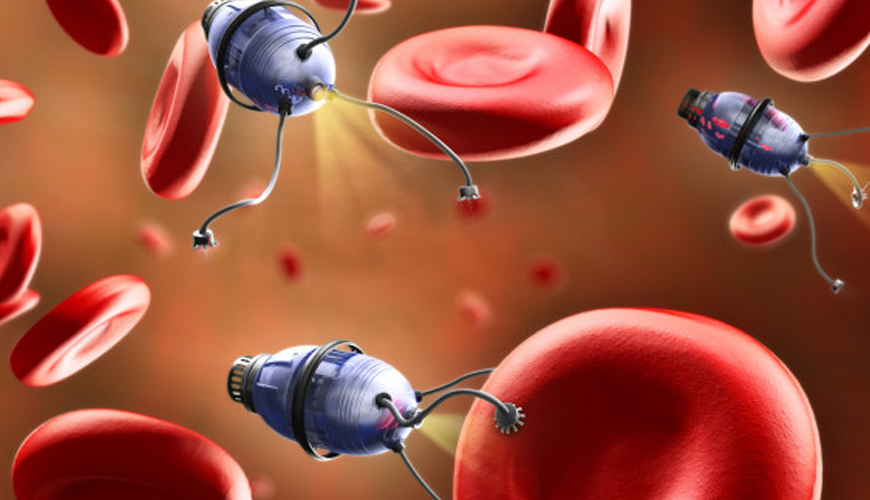
The development of nanotechnology has made it possible for doctors to zoom in on a growth of cancer cells and smash them into oblivion like space invaders without harming the surrounding tissue. “Sensors can be printed on elderly peoples clothes that can detect the persons health issues and send them back to a health care professional who is monitoring them” (Nanotechnology in healthcare, 2017). With nanotechnology, life threatening diseases can be detected much earlier which will result in countless lives saved or prolonged. This is quite an improvement from leeches that used to be used back in the day to “suck out your poison”.
For more information on the future of nanotechnology and our health, check out the Nanowerk website which has more examples of where our healthcare future is going with contact lenses, cancer diagnosis, disease prevention and disease outbreaks. https://www.nanowerk.com/spotlight/spotid=47031.php?fbclid=IwAR3Y69zFrVuqVxe57WgDbLsvnuspXW2cPkP37-gOK8PDsi3c9RS8IcGhUqU
References:
Cohen, J. (2012, May 30). A Brief History of Bloodletting. Retrieved February 6, 2019, from https://www.history.com/news/a-brief-history-of-bloodletting
Costa, D. (2018, July 09). Next generation medical technology: What’s the impact for healthcare? Retrieved February 6, 2019, from https://knowtechie.com/next-generation-medical-technology-whats-the-impact-for-healthcare/
Ferro, S. (2019, January 31). 7 Facts About The Measles. Mental Floss. Retrieved February 6, 2019, from http://mentalfloss.com/article/57983/9-terrifying-medical-treatments-1900-and-their-safer-modern-versions?fbclid=IwAR0WV09F6CPIsEQICO9OjWSmKuxxtonCvVsG0Enc5Th4WHiVMHt11q0BK2I
Nanotechnology in healthcare. (2017, June 13). Nanowerk Retrieved February 6, 2019, from https://www.nanowerk.com/spotlight/spotid=47031.php?fbclid=IwAR3Y69zFrVuqVxe57WgDbLsvnuspXW2cPkP37-gOK8PDsi3c9RS8IcGhUqU
WHAT ARE THE RISKS OF THE DEVELOPMENT OF NANOTECHNOLOGY IN MEDICINE? (2017, December 13). JustScience. Retrieved February 6, 2019, from http://www.justscience.in/articles/risks-development-nanotechnology-medicine/2017/12/13
 Browser Blog